Field Sales CRM Built for Teams that Spend More Time on the Road than at a Desk
3 min read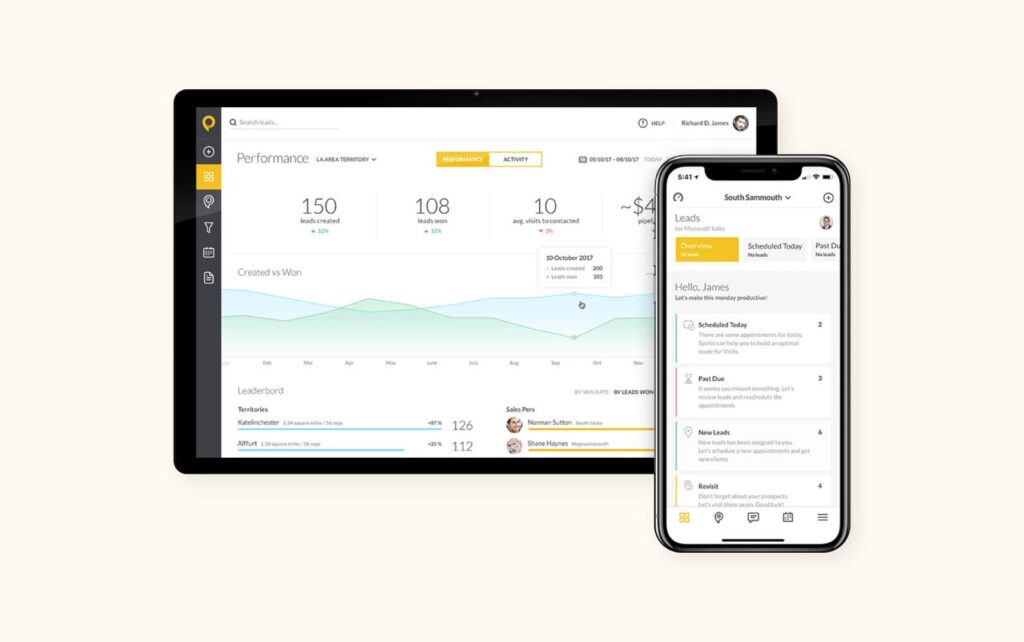
There’s a certain point where traditional CRM systems stop fitting the way field teams actually work. Usually it happens somewhere between the third client visit of the day and the moment a rep is trying to update notes from a parking lot before driving twenty minutes to the next stop.
That’s the reality for a lot of outside sales teams. They’re rarely sitting at a desk long enough to manage pipelines the way office-based sales teams do. Everything happens in motion. Conversations, scheduling changes, follow-ups, quick updates between meetings. A good field sales CRM has to work inside that kind of environment instead of slowing it down. Find out more about field sales CRMs and top tools on the market in this guide.
The problem with a lot of older CRM systems is that they were clearly built for people sitting in front of a laptop all day. Tons of tabs. Endless fields. Workflows that feel fine in an office but become frustrating when someone’s juggling calls, driving, and customer meetings at the same time. Field reps usually abandon complicated systems pretty quickly. Not because they don’t care about organization, but because the process starts competing with the actual selling.
Field sales CRM keeps account details accessible during busy field days
One thing that gets underestimated in field sales is how mentally crowded the day becomes. Reps aren’t just remembering names and companies. They’re tracking product conversations, contract timing, pricing concerns, previous objections, personal details clients casually mentioned three visits ago… all while navigating traffic and trying to stay on schedule.
Without a reliable system, details slip. A field sales CRM gives reps a way to hold onto those conversations without relying entirely on memory. Before walking into a meeting, they can quickly pull up account history, recent notes, pending opportunities, or reminders from earlier visits. That changes the tone of conversations almost immediately. Clients notice when reps remember specifics. It makes interactions feel continuous instead of transactional.
There’s also the practical side of it. Reps can log updates immediately after meetings instead of trying to reconstruct the day hours later when everything starts blending together. A quick voice note or status update in the parking lot ends up being far more accurate than trying to remember six separate conversations that evening. Small difference. Big impact over time.
Field sales CRM gives managers visibility without disrupting reps
Managing a field team has always involved a certain amount of guesswork. Managers want visibility into activity, pipeline movement, and account progress, but constant check-ins usually create frustration on both sides. Nobody likes stopping mid-route to answer messages asking where they are or whether a meeting happened.
A field sales CRM creates a shared picture without requiring that constant interruption. Activity updates happen naturally as reps move through the day. Managers can see account movement, meeting history, route activity, and pipeline changes without needing to chase people down for updates every few hours. That visibility becomes even more important as teams grow. Once multiple reps are covering different territories, things get messy fast without some kind of central structure. Accounts overlap. Follow-ups get missed. Opportunities stall because nobody realizes they’ve gone untouched for weeks.
A field sales CRM helps keep all of that connected. Not in a rigid, overly controlled way. More like a running system that keeps the moving parts visible enough for everyone to stay aligned while still giving reps the flexibility they need in the field. If you want to see how field teams are managing customer relationships more efficiently while staying mobile throughout the day, take a look here: https://repmove.app
About Author